





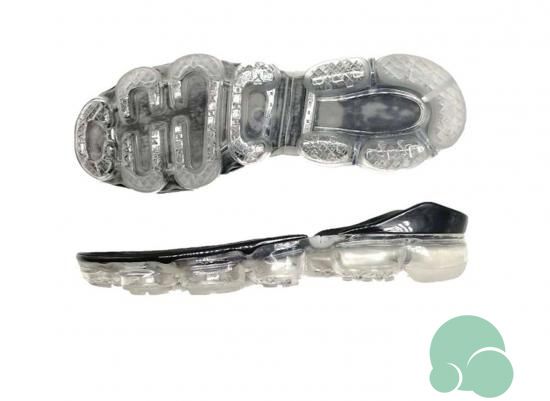
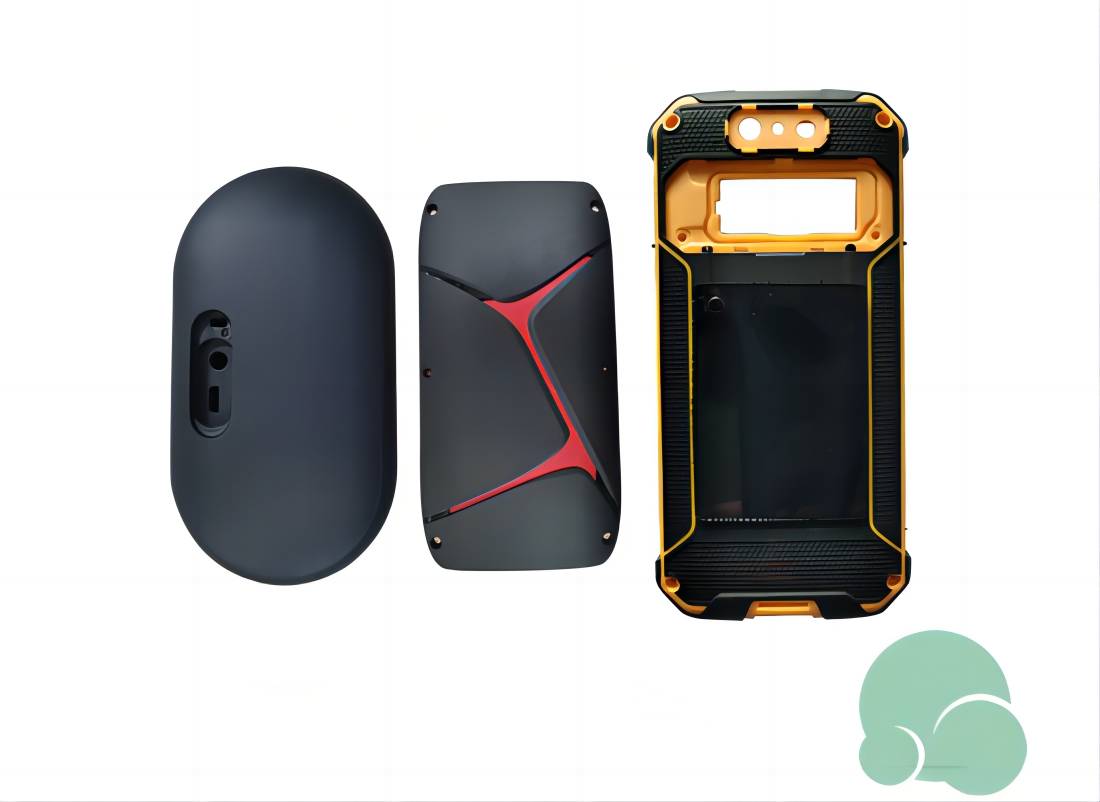
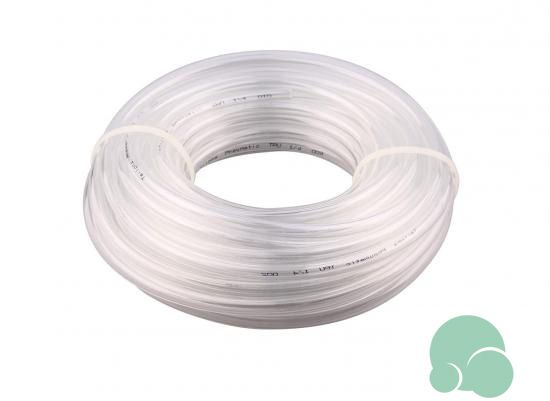
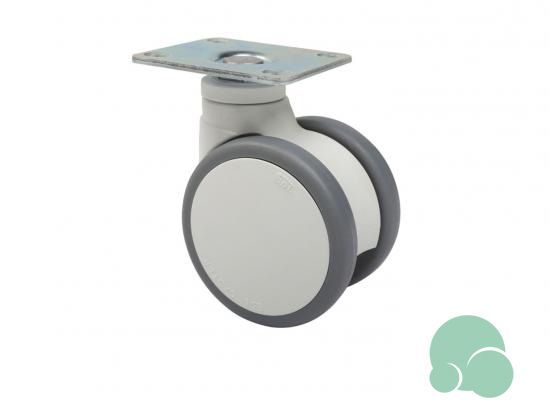

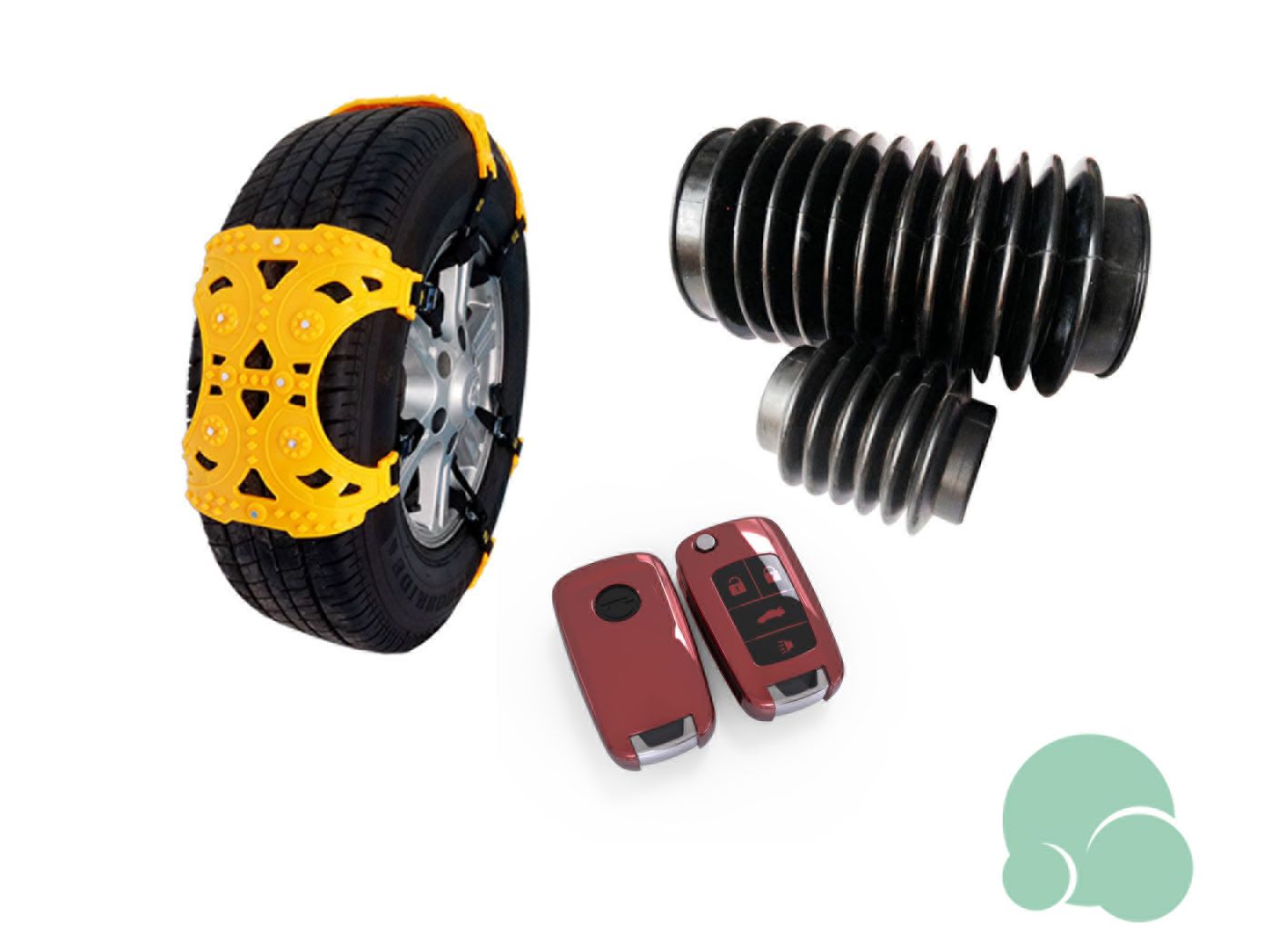

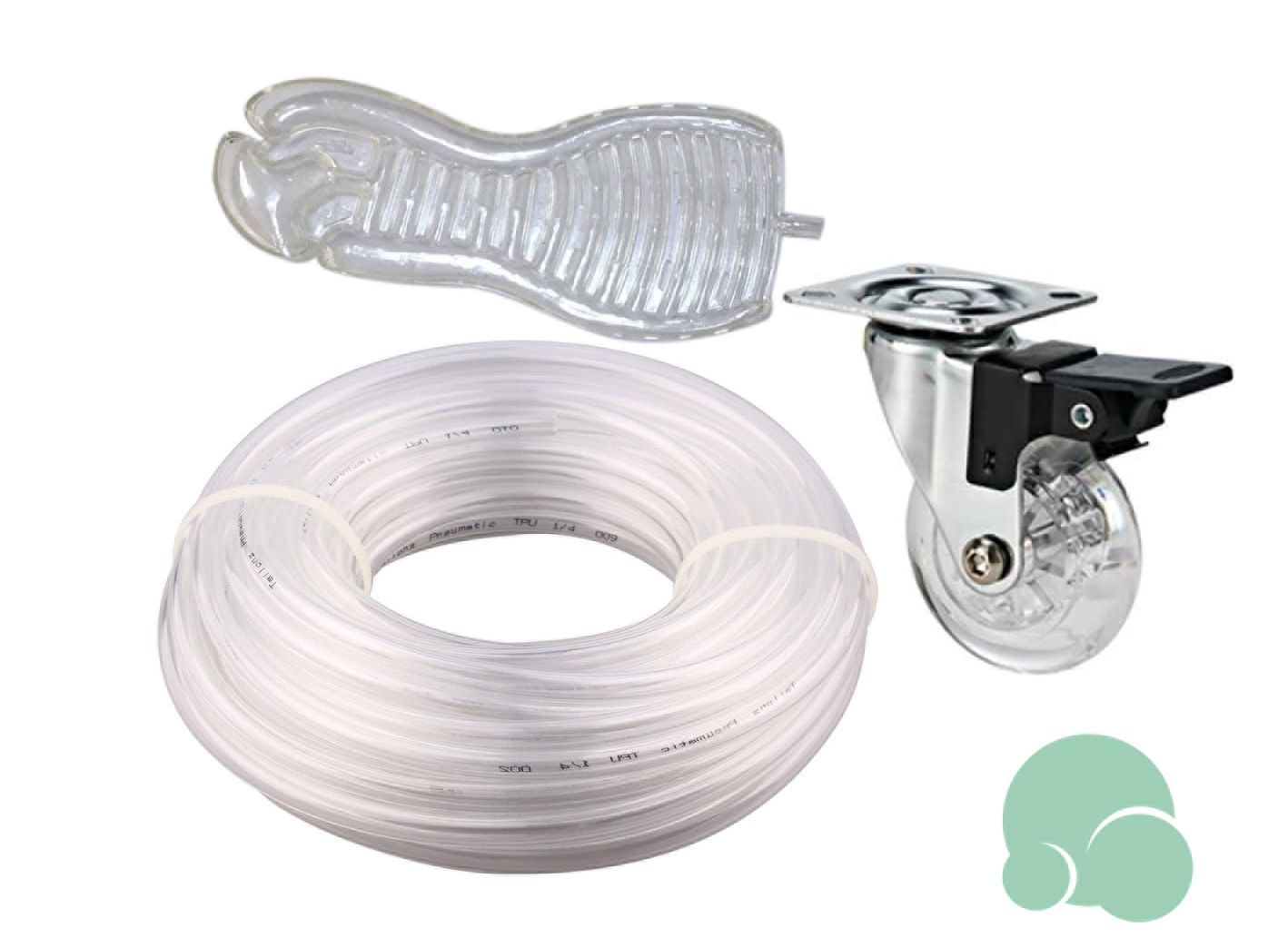
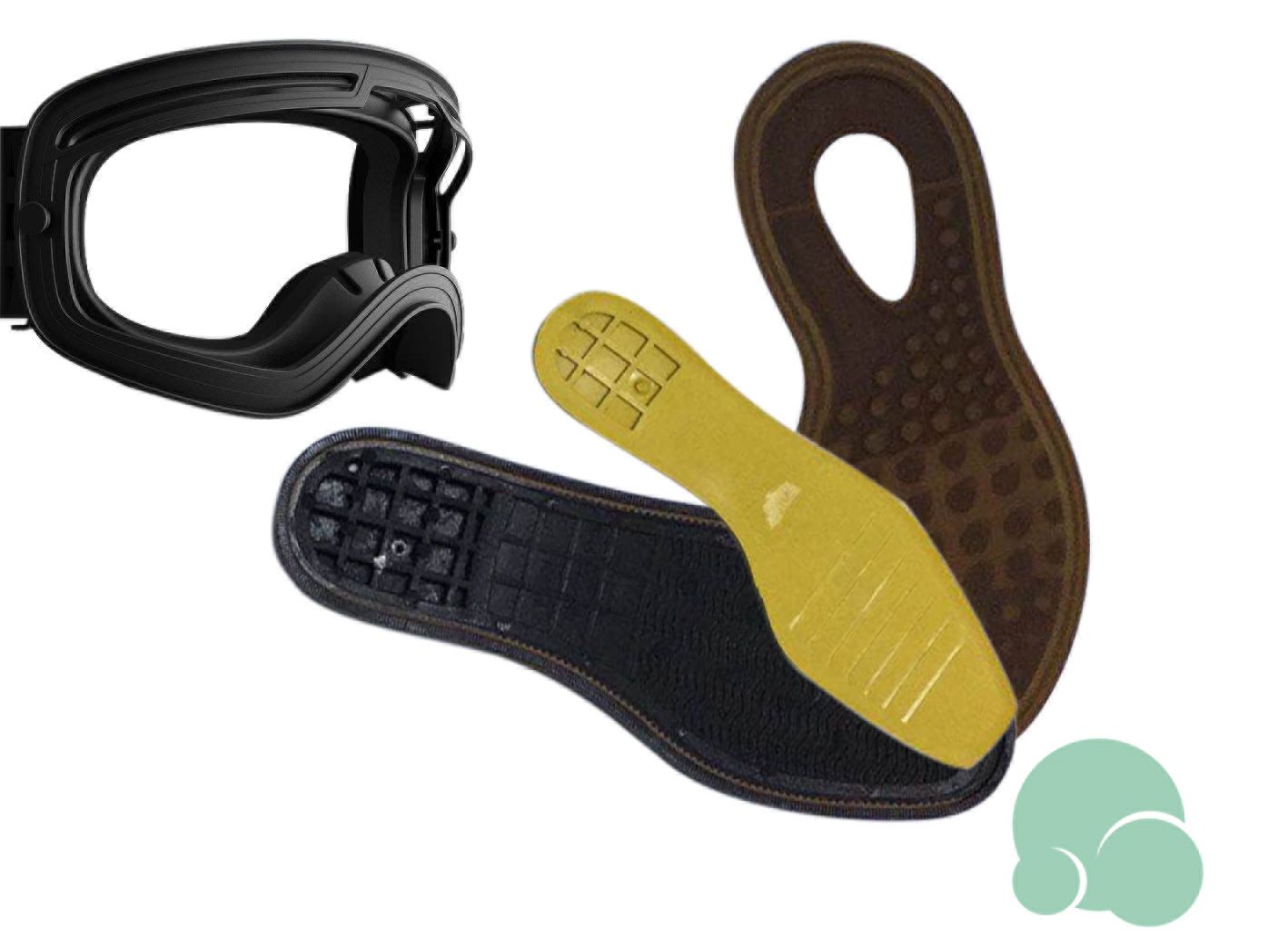
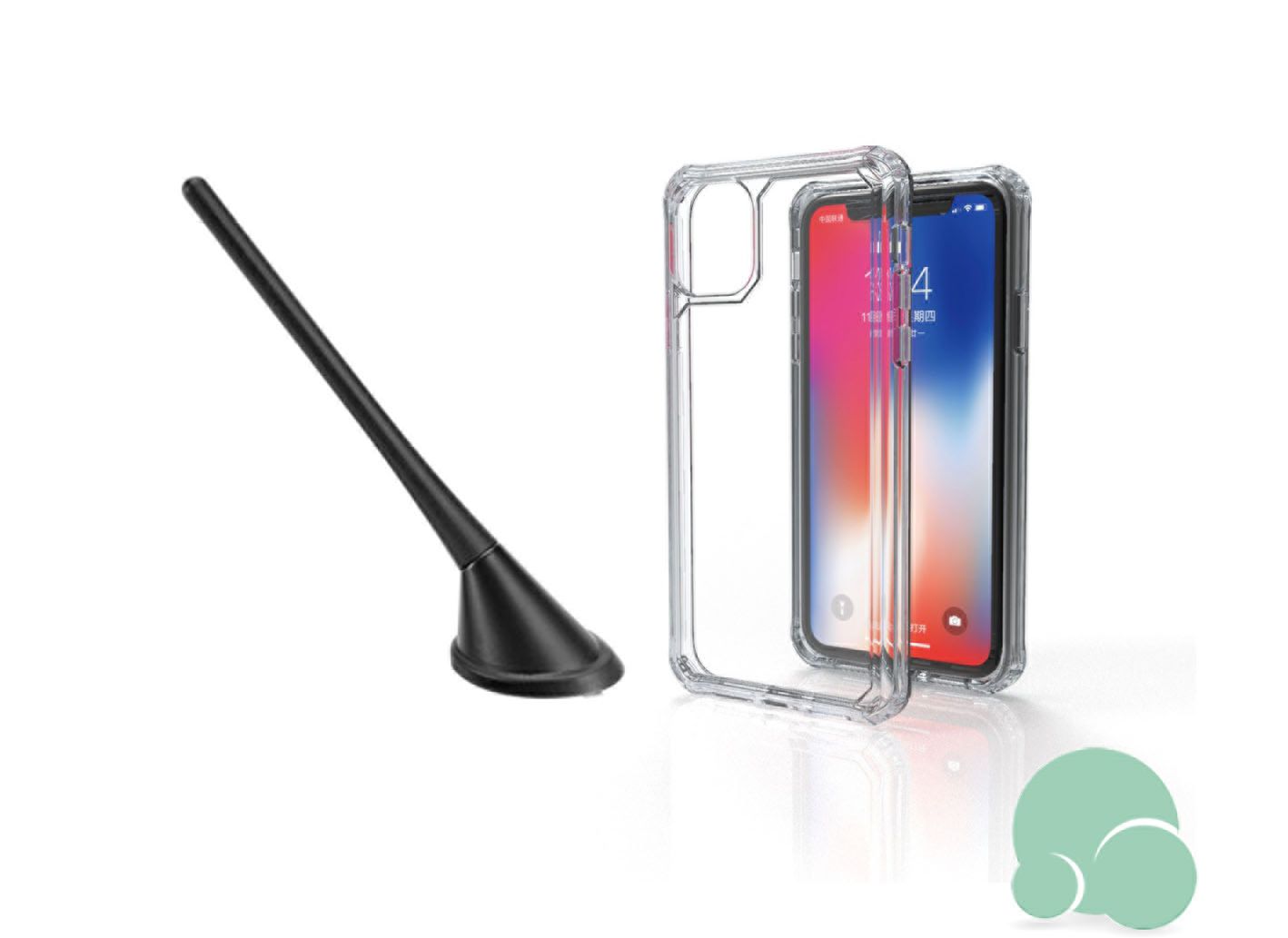

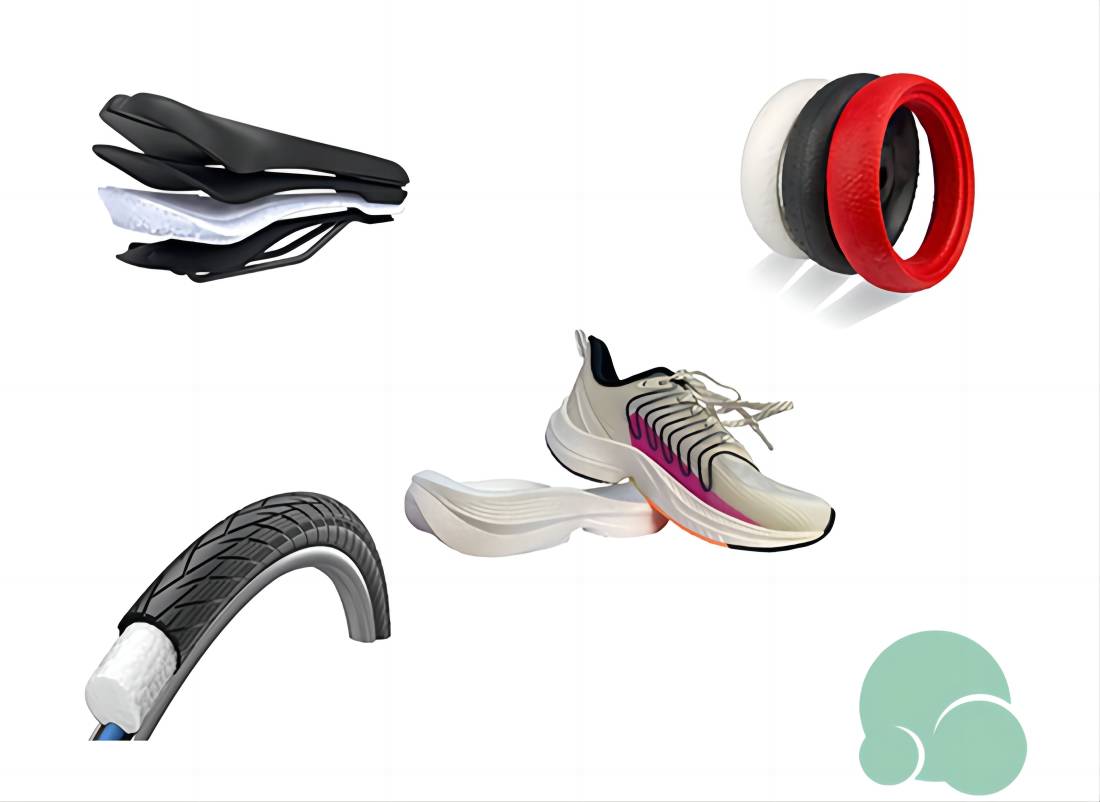


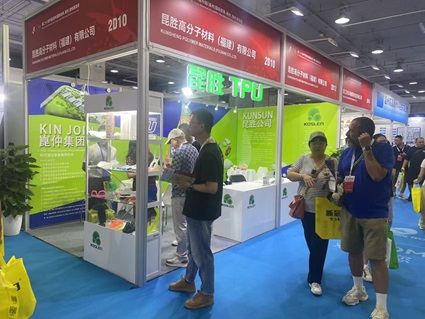
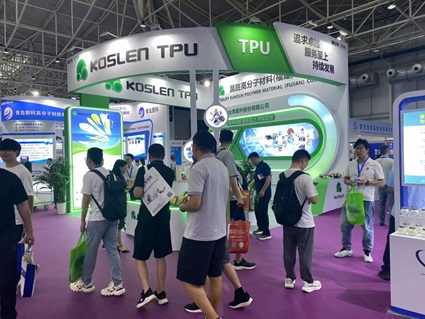
The four-day CHINAPLAS 2026 concluded successfully on April 24 at the National Exhibition and Convention Center (Shanghai). As a leading global platform for the plastics and rubber industry, this year’s edition featured over 390,000 sqm of exhibition space, bringing together more than 5,000 exhibitors and 350,000+ professional visitors from home and abroad, focusing on sustainable development, smart manufacturing and innovative materials. KUNSUN POLYMER MATERIAL (FUJIAN) CO., LTD. made a strong presence at Booth 6.2F22 with its Koslen brand. Leveraging over 30 years of R&D and manufacturing expertise in TPU from parent company Kin Join Co., Ltd., KUNSUN showcased its full range of high-performance TPU products and innovative application solutions, drawing continuous attention and active business discussions on-site. Groundbreaking Footwear Technology Unveiled, Delivering Lightweight and Comfortable Experiences A major highlight of KUNSUN’s exhibition was the TPU melt-blown upper technology, developed in collaboration with Yihua Research Institute. This cutting-edge solution uses TPU materials for footwear uppers, paired with TPU supercritical foaming, granule foaming and other midsole materials, achieving three key breakthroughs: Ultra-lightweight:The melt-blown TPU upper significantly reduces shoe weight for enhanced comfort; Superior softness and elasticity: The material’s inherent flexibility combined with the melt-blown process delivers a snug, comfortable fit; High-gloss appearance: Special processing creates a premium, shiny finish that balances functionality and style. From midsole materials (ETPU, supercritical foaming, injection foaming) to upper melt-blowing and 3D printing filaments, KUNSUN’s TPU solutions cover the entire footwear supply chain, providing one-stop support for brand customers. Wide Application Scenarios Demonstrate TPU’s Versatile Strength. Beyond footwear, Koslen TPU products showcase extensive potential across multiple industries: Pipes: Wear-resistant and weather-resistant TPU ensures durability for various pipe applications; Automotive components: Temperature-resistant and impact-resistant TPU is suitable for interior and exterior parts; Industrial parts:High-strength TPU enhances the durability of industrial components; Material compound industry: Compatible with blending and modification of general plastics and engineering plastics such as PP, ABS and PC. It effectively improves the toughness, wear resistance, tear resistance and low-temperature weather resistance of base materials, solving common defects of traditional plastics including brittleness, aging vulnerability and insufficient elasticity. Widely applied in the production of general rubber-plastic modified materials and functional modified composite materials, it perfectly meets mass production demands of modification factories with high cost performance and universal compatibility. Other applications: Proven solutions for sheets, films, wires and ca...



 IPv6 network supported
